

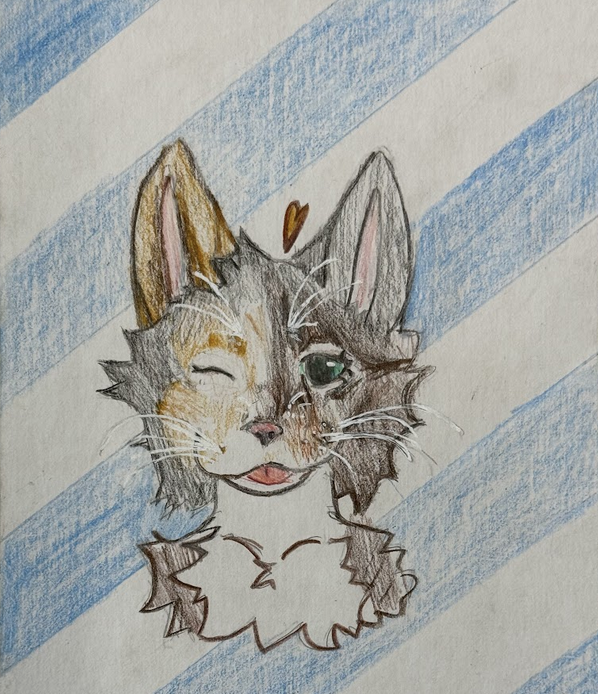
Day 1: Introduction & Brainstorming
1. Hook (5–10 min):
Ask students:
• If you were a character in a game or movie, what would you look like?
• What colors, objects, or symbols represent you?
2. Mini Lesson (10 min):
Explain that avatars don’t have to be realistic—they can be:
• Human-like
• Animal-inspired
• Fantasy or abstract
• Symbolic
3. Brainstorm Activity (15–20 min):
Students use Avatar Project Brainstorming sheet to list:
• Interests (sports, music, hobbies)
• Personality traits (funny, calm, energetic)
• Important symbols (objects, animals, colors)
4. Sketching Ideas (15–20 min):
Students create
• 2–3 rough thumbnail sketches
Day 2: Final Sketch:
1.Choose the best idea from the previous day’s sketches (5-10 min)
2.Lightly draw final avatar on good paper (30 min):
Students Focus on:
• Clear shapes
• Good use of space
• Meaningful details
Days 3–4: Colored Pencil Rendering
1.Mini Lesson (10 min):
Teacher Demonstrates:
• layering colors
• Blending techniques
• Shading for depth
2. Work Time (30 min):
Students:
• Apply base colors first
• Build layers slowly
• Add shading and highlights
• Refine details
Day 5: Finishing & Reflection
1. Final Touches (30 min):
Students work on:
• Clean edges
• Optional outlining
• Background (simple or symbolic)
2. Written Artist Statement (20 min):
Students answer:
• What does your avatar represent?
• What symbols did you include and why?
• What colors did you choose and what do they mean?
Assessment (Rubric Categories)
1. Creativity & Originality:
• Unique and personal design
• Strong use of symbolism
2. Craftsmanship:
• Careful coloring
• Smooth blending and layering
• Neat presentation
3. Use of Color:
• Thoughtful color choices
• effective shading and contrast
4. Effort & Completion:
• Fully developed artwork
• Time used productively
5. Artist Statement:
• Clear explanation of ideas
• Connection between visuals and meaning